

New York’s Climate Law Meets Reality: And Ratepayers Are Paying the Price
New Yorkers are facing some of the highest electricity prices in the country, and even state leaders are beginning to acknowledge that the state’s sweeping climate mandates may be part of the problem.
A recent report highlights residents struggling with soaring utility bills, with many households paying more than $400 per month for electricity. The affordability crisis has now reached Albany, where lawmakers and Governor Kathy Hochul are debating whether the state’s landmark 2019 climate law needs to be revised.
The law set ambitious targets: 70 percent renewable electricity by 2030 and a fully carbon-free grid by 2040. But state officials now acknowledge those goals are slipping, with New York expected to be at least six years behind on its first major emissions target.
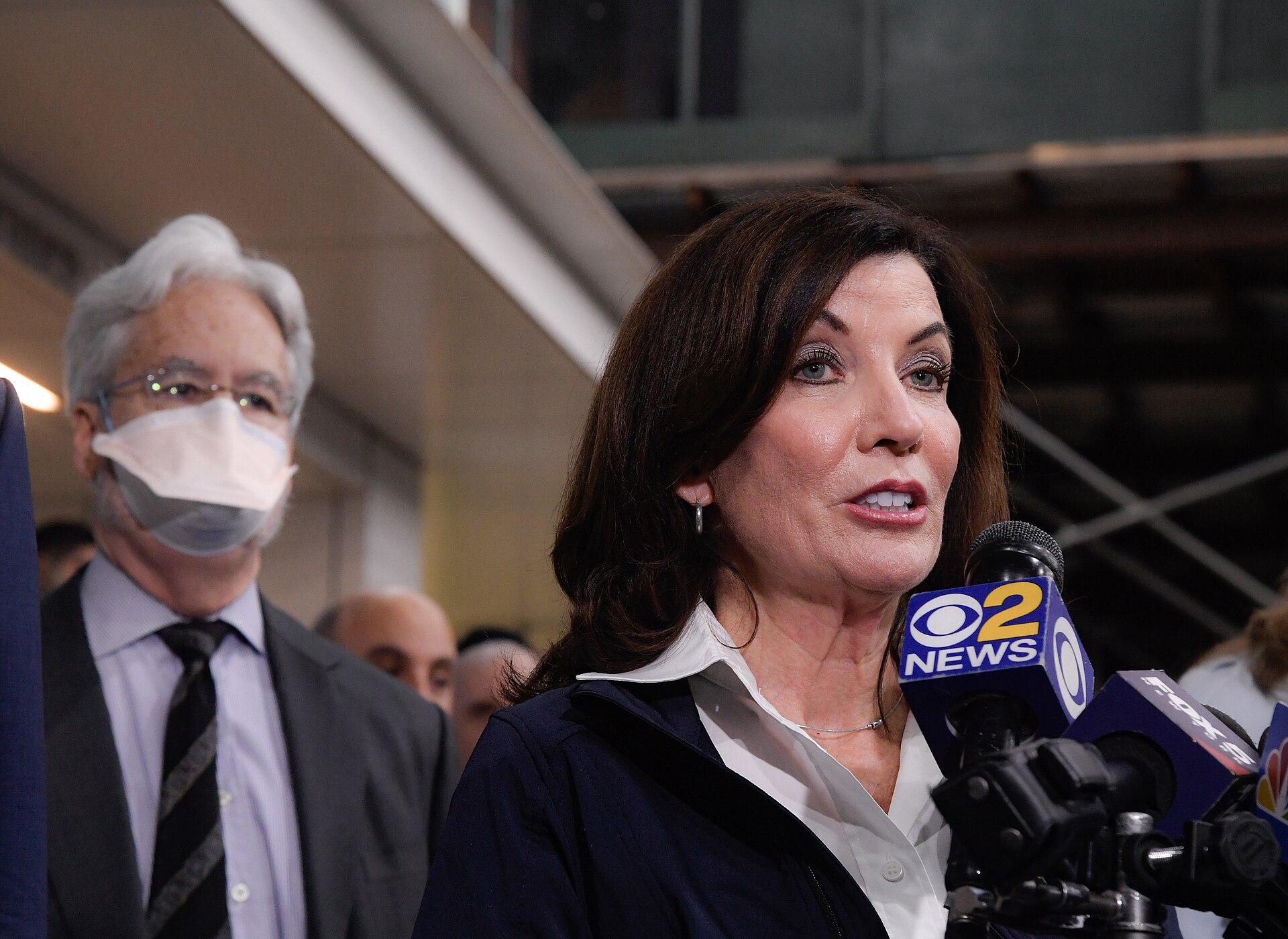
As Governor Hochul recently warned:
“There are going to be enormous costs to families for us to meet the goals on the time frame that was set out by the Legislature.”
The reality is that New York’s energy policy has attempted to rapidly transform the power system while simultaneously restricting the infrastructure that keeps energy affordable.
Natural gas still heats nearly half of New York homes and generates roughly half of the state’s electricity. Yet pipeline projects that would bring additional supply into the region have repeatedly been blocked or delayed. When energy demand remains high but infrastructure is constrained, prices inevitably rise.
This pattern reflects a broader dynamic seen across the country: infrastructure projects slowed by litigation, regulatory hurdles, and activist pressure create supply shortages that push costs onto consumers, as we noted in The Art of the Delay.
Delays increase financing costs, limit supply, and ultimately translate into higher prices for households and businesses alike.
New York’s affordability crisis is now forcing policymakers to confront a difficult truth: energy systems cannot run on mandates alone.
Until the state embraces realistic timelines and the infrastructure needed to support reliable power, New Yorkers will continue paying the price.
March 6, 2026