

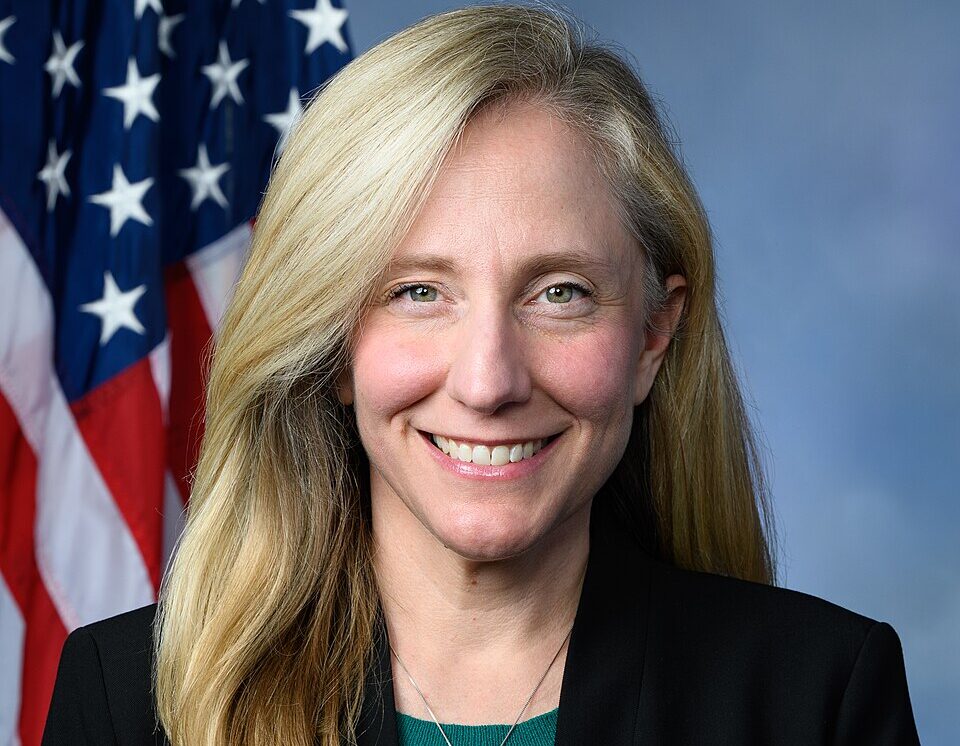
Spanberger’s “Energy Fix” Starts With the Same Failed Playbook
Governor Abigail Spanberger says she wants to lower energy costs for Virginia families. Her first big move? Elevate a career environmental activist to a cabinet-level energy czar, according to an official release.
That tells you everything you need to know.
Josephus Allmond isn’t coming from industry, grid operations, or energy production. He’s coming straight out of the Southern Environmental Law Center (SELC), one of the most aggressive environmental litigation shops in the country. His career has been built not on producing energy, but on blocking it. The SELC, oddly enough, put out a release at the same time as the Governor’s office announcing his appointment. Surely no coordination there and a signal for how they are going to work together the next couple of years.
This isn’t a course correction. It’s doubling down.
The Record: Policies That Drive Prices Up
Spanberger talks about “affordability,” but her early actions point in the opposite direction.
- Rejoining the Regional Greenhouse Gas Initiative (RGGI): A cap-and-trade scheme that forces power plants to buy carbon permits… costs that are ultimately passed directly onto ratepayers. Even critics in Virginia have called it a tax on electricity bills.
- Carbon pricing by another name: RGGI functions as a de facto energy tax, raising utility costs while distorting energy markets.
- Pushing costly grid overhauls: Virginia utilities are already planning tens of billions in new spending to meet policy-driven energy shifts and demand growth, costs that will land on consumers.
- Hostility to reliable baseload energy: Her broader agenda emphasizes intermittent sources like wind, solar, and storage while offering little clarity on how to maintain reliability without driving up prices.
Same Activists, Same Outcome: Delay → Scarcity → Higher Prices
This is the core problem.
Allmond’s background isn’t incidental. It is the strategy. Groups like SELC specialize in using litigation, permitting challenges, and regulatory pressure to slow or block energy infrastructure.
And that has real economic consequences.
As outlined in The Art of the Delay report, this activist ecosystem doesn’t need to stop projects outright to raise prices, it just needs to slow them down.
March 25, 2026