

USPS Wants You to Pay More After Spending Billions on Costly EVs
The United States Postal Service is raising shipping prices by 8 percent, pointing to higher transportation and fuel costs and the need to “cover the actual costs of doing business.” That’s the official line. But it conveniently ignores a major driver of those rising costs: a multibillion-dollar bet on expensive electric delivery vehicles that are nowhere near delivering the promised savings.
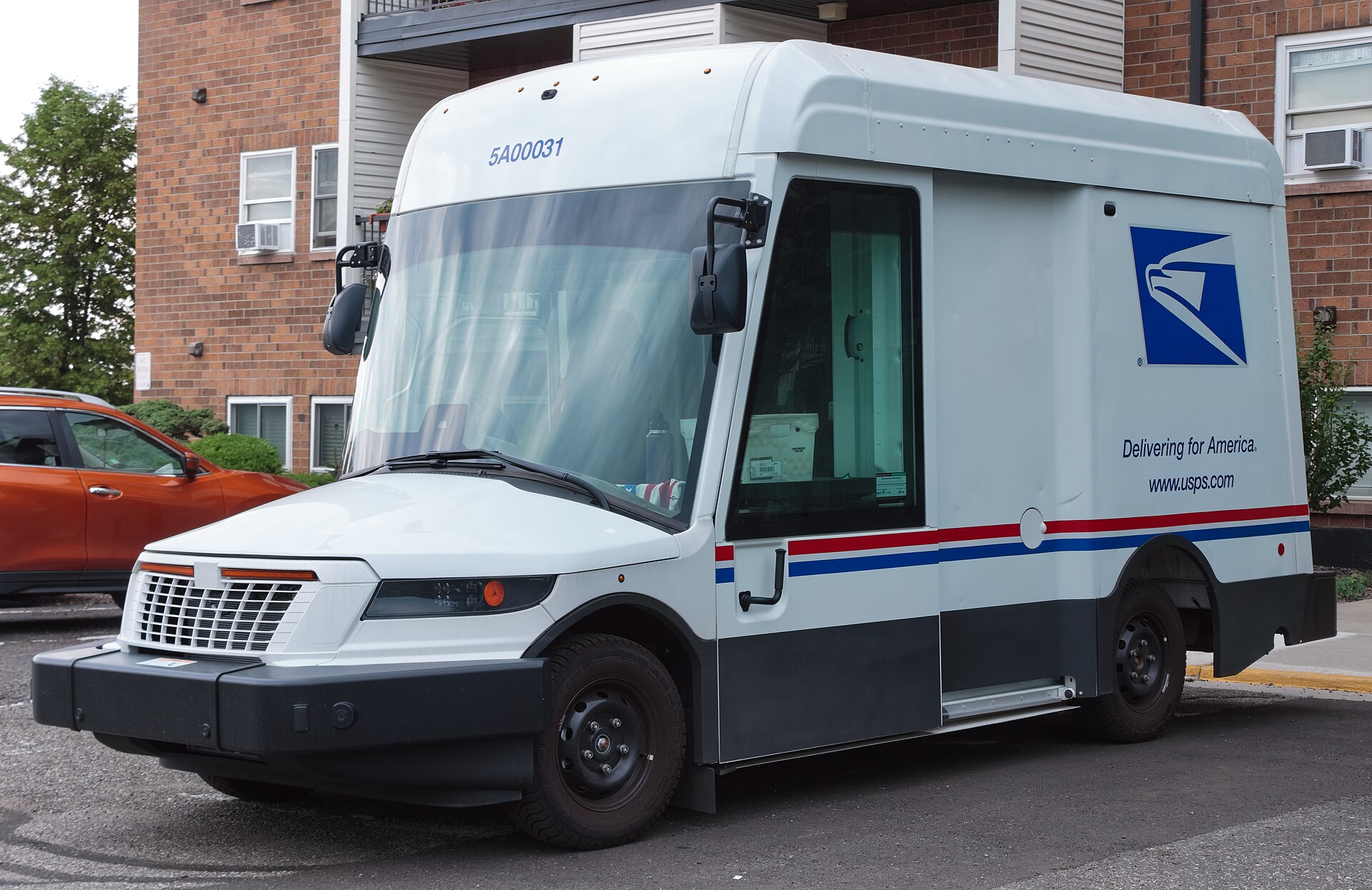
Over the past several years, USPS has committed roughly $9.6 billion to modernizing its fleet, including tens of thousands of electric trucks built by Oshkosh Corporation. While the sticker price of these vehicles is already expensive, around $77,000 each or 42% more than their gas-powered alternative, but the real, fully loaded cost is much worse. Once you factor in charging infrastructure, depot upgrades, and grid buildout, the cost climbs closer to $120,000 per vehicle. This was a nationwide electrification project layered on top of a logistics network that was never designed for it.
And yet, despite this massive investment, USPS is now telling customers it needs to charge more just to keep up with transportation costs. That raises a basic question: if these vehicles were supposed to reduce operating costs, why are prices going up?
The answer is straightforward. Electric delivery vehicles come with significant upfront capital costs and require expensive infrastructure to support them. In many cases, those costs are being incurred before the operational efficiencies ever materialize… if they materialize at all..
Instead of delivering savings, the current approach has added layers of cost and complexity. And like any entity facing higher expenses, USPS is doing what it always does: passing those costs directly to customers.
Americans are now being asked to pay more to ship packages, while billions have already been spent on a fleet that was sold as a cost-saving modernization effort. If USPS had prioritized cost-effective, off-the-shelf solutions, it might not be in this position today.
Instead, the Postal Service is learning an expensive lesson in real time. And American households and small businesses are the ones paying for it.
March 30, 2026